Call us today! (513) 318-8890

Small Spaces, Big Impact: Paint Colors That Make Rooms Feel Larger

When it comes to designing a space, whether for your home or business, one of the most powerful tools at your disposal is color. The right paint colors can transform even the smallest room into an inviting and expansive environment.
Whether you’re considering residential interior painting or commercial interior painting, understanding how to use color strategically can make all the difference in creating spaces that feel open, airy, and welcoming.
In this blog post, we’ll explore the art of using paint colors to maximize the perception of space. We’ll also touch on why working with professional painters from a trusted local interior painting company is essential for achieving flawless results. Let’s dive in!
Why Paint Color Matters in Small Spaces
The psychology of color plays a significant role in how we perceive our surroundings. Darker hues tend to absorb light, making walls appear closer and shrinking the perceived size of a room.
On the other hand, lighter shades reflect light, creating an illusion of depth and openness. This principle applies equally to both residential interior painting and commercial interior painting projects.
For homeowners looking to refresh their living spaces or business owners aiming to enhance their offices, choosing the right palette isn’t just about aesthetics—it’s about functionality. A well-thought-out color scheme can elevate the mood of a room while ensuring it feels spacious and comfortable.
Top Paint Colors That Create Space
1. White: The Classic Choice
White remains the go-to option for making small rooms feel larger. Its ability to bounce natural and artificial light around the room creates a bright, airy atmosphere.
However, not all whites are created equal. Opt for warm whites, like cream or ivory, if you want to add a touch of coziness, or cool whites, such as pure white or snow, for a crisp, modern look.
Pro Tip: If you’re worried about white feeling too stark, incorporate textured elements like rugs, throw pillows, or artwork to add visual interest without overwhelming the space.
2. Soft Neutrals: Versatile and Inviting
Neutrals like beige, taupe, and soft gray strike the perfect balance between warmth and simplicity. These tones work beautifully in any setting, from cozy bedrooms to sleek office spaces. They provide a neutral backdrop that allows furniture and decor to shine while still giving the impression of a more expansive area.
Why It Works: Neutral colors don’t compete for attention, allowing the eye to move freely across the room. This uninterrupted flow makes the space feel larger than it actually is.
3. Pastels: Subtle Yet Effective
Pastel shades like pale blue, mint green, or blush pink bring a sense of calmness and serenity to a room. These gentle hues are particularly effective in smaller areas because they maintain brightness without being overpowering. Pastels are especially popular in residential interior painting, where creating a relaxing ambiance is often a priority.
Bonus Idea: Combine pastel walls with white trim or molding to create contrast and further enhance the feeling of openness.
4. Monochromatic Schemes: Seamless Flow
A monochromatic color scheme involves using different shades of the same color throughout a room.
For example, pairing light gray walls with charcoal accents or soft lavender walls with deeper purple textiles. This approach eliminates visual breaks, which helps the eye perceive the space as continuous and unbroken.
Application in Commercial Settings: Monochromatic schemes are ideal for commercial interior painting, as they exude professionalism and sophistication while maintaining a sense of spaciousness.
5. Cool Blues and Greens: Calming and Expansive
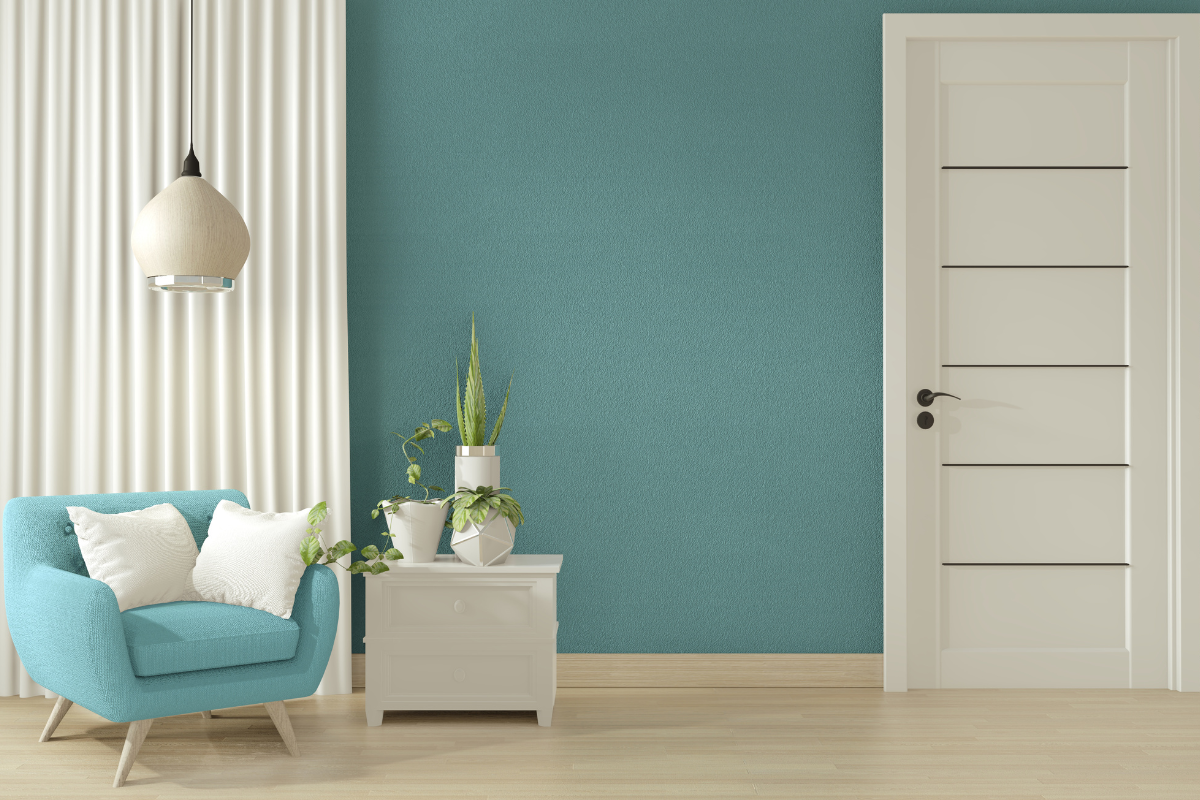
Blue and green are inherently calming colors that evoke feelings of tranquility and connection to nature. Light blues and greens, in particular, have a receding quality—they seem to “push” the walls outward, tricking the brain into thinking the room is bigger than it is.
Perfect Pairings: Consider pairing these colors with natural materials like wood or rattan to create a harmonious blend of indoor-outdoor vibes.
Tips for Maximizing the Impact of Your Paint Colors
While choosing the right color is crucial, there are additional strategies you can employ to amplify the effect:
1. Use Mirrors Strategically
Mirrors are a designer’s best friend when it comes to small spaces. Placing a large mirror opposite a window or painted wall reflects light and doubles the visual impact of your chosen color.
2. Keep Ceilings Light
Painting ceilings in a lighter shade than the walls can draw the eye upward, giving the illusion of height. White or off-white ceilings are classic choices, but don’t be afraid to experiment with soft pastels or neutrals for added character.
3. Optimize Lighting
Good lighting is key to showcasing your paint colors effectively. Natural light highlights the true tone of the paint, while layered artificial lighting (e.g., overhead lights, lamps, and sconces) ensures the room stays bright and inviting after sunset.
4. Minimize Clutter
No matter how well-chosen your paint color is, clutter can detract from the overall effect. Keep furnishings minimal and organized to allow the color to take center stage.
Why Hire Professional Painters?
While DIY painting might seem tempting, enlisting the help of a professional painter ensures superior results. Here’s why:
1. Expertise in Color Selection
Professional painters understand how different colors interact with lighting, textures, and architectural features. Their expertise can guide you toward the perfect shade for your specific needs.
2. Flawless Application
Achieving smooth, even coverage requires skill and precision. A local interior painting company will have the tools and techniques necessary to deliver impeccable finishes every time.
3. Time-Saving Convenience
Painting can be time-consuming and labor-intensive. By outsourcing the job to experts, you free up valuable time to focus on other aspects of your project.
4. Tailored Services for Your Needs
Whether you need residential interior painting or commercial interior painting services, a reputable company will tailor its approach to meet your unique requirements. From prep work to cleanup, they handle everything so you don’t have to lift a finger.
Final Thoughts
Transforming a small space into a visually stunning haven doesn’t require major renovations—it starts with the right paint colors. By leveraging the power of light neutrals, pastels, and strategic design techniques, you can create an environment that feels far more spacious than its square footage suggests.
However, the success of your project ultimately depends on execution. Partnering with a skilled local interior painting company ensures that your vision becomes a reality. With their guidance and expertise, you can achieve a polished finish that enhances both the beauty and functionality of your space.
So, whether you’re revamping your home or refreshing your office, remember: small spaces hold big potential. All it takes is the right combination of color, creativity, and craftsmanship to unlock it.